Tampilkan postingan dengan label food. Tampilkan semua postingan

Rabu, 19 Januari 2011

Dogs Were Man's Best Friend Even 9,400 Years Ago

PORTLAND, Maine -- Nearly 10,000 years ago, man's best friend provided protection and companionship - and an occasional meal.

That's what researchers are saying after finding a bone fragment from what they are calling the earliest confirmed domesticated dog in the Americas.

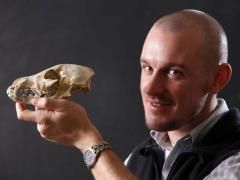
University of Maine graduate student Samuel Belknap III came across the fragment while analyzing a dried-out sample of human waste unearthed in southwest Texas in the 1970s. A carbon-dating test put the age of the bone at 9,400 years, and a DNA analysis confirmed it came from a dog - not a wolf, coyote or fox, Belknap said.

Because it was found deep inside a pile of human excrement and was the characteristic orange-brown color that bone turns when it has passed through the digestive tract, the fragment provides the earliest direct evidence that dogs - besides being used for company, security and hunting - were eaten by humans and may even have been bred as a food source, he said.

Source

Senin, 10 Januari 2011

Scary pork?

In a small complex of nondescript barns set in the flat, snow-covered fields of Ontario, Enviropig is a scientific project which, some argue, represents the new frontier of a technology that could benefit millions of people around the world.

For others what is happening here is weird, dangerous science.

The pigs they are breeding could be among the first genetically modified farm animal to be approved for human consumption.Each pig contains genes from mice and E.coli bacteria, which have been inserted into their DNA with absolute precision.

Those genes make a small but important difference to the way these pigs process their food.

Ordinarily, pigs cannot easily digest chemicals called phosphates. That means that the stuff that comes out of the back end can be toxic and damaging to the environment. The phosphates are easily washed into waterways, where they can produce a hugely fertile environment for plants. But the plants grow so rapidly that they choke the stream or river and cause huge damage to the ecosystem.

The genetic modification enables these pigs to digest phosphates, which means they are less polluting and cheaper to feed.

Source

Selasa, 16 November 2010

Look out, Rudolph!

UK supermarket Lidl is under fire for stocking reindeer meat and is accused of destroying the magic of Christmas.

Story includes a recipe for reindeer stew if you're interested.

Source

Senin, 06 Juli 2009

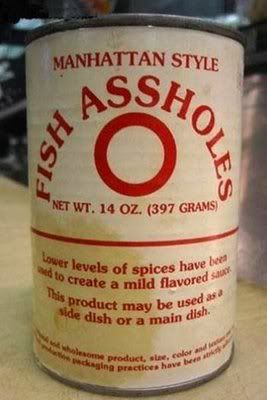
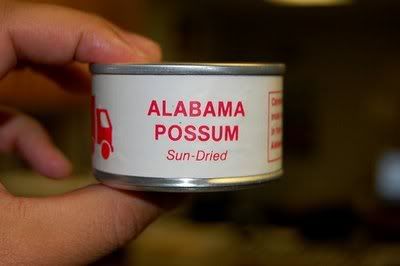
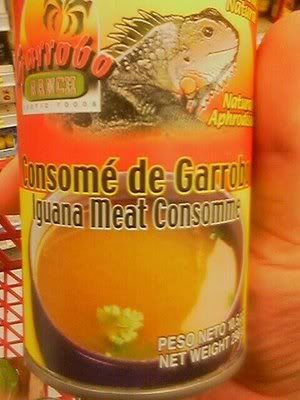
Ready for lunch?

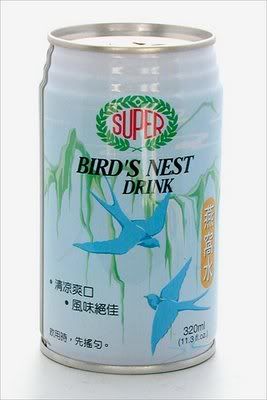
Now That's Nifty has gathered some canned food items and prepared a picnic lunch for us.

So, if you're ready, let's eat!


Rabu, 01 April 2009

Relax, it's just foie gras

Whatever else you want to say about it, at least acknowledge this: Foie gras, the fattened liver of a duck or goose, is truly, indisputably, delicious. Roasted whole, pan-seared, combined with brandy and turned into a pâté, the stuff just tastes good.

If you oppose foie gras, even if the only thing you've ever done about it is to make a dinner companion feel guilty, and you still eat conventionally raised meat, you're a raging hypocrite and a silly one at that.

The eggs you ate for breakfast, the cheese that came on top, and the bacon on the side, all of it is produced using methods more torturous than the ones employed on a good foie gras farm.

Animals on a typical farm these days are confined in spaces so small they can't turn around, much less do any of the things they'd normally do in nature. And in order to keep them at least somewhat healthy and functional despite those conditions, which tend to make them stressed and unhappy, their bodies are altered to keep them from harming themselves and their fellow animals -- chickens have their beaks trimmed, pigs and cows get their tails docked.

In his book, Foie Gras Wars: How a 5,000-Year-Old Delicacy Inspired the World's Fiercest Food Fight, Mark Caro states that foi gras opposition is not, ultimately, about foie gras at all. They're being waged by vegans who believe that all meat eating inevitably involves torture but who are smart enough -- and disingenuous enough -- to focus on a product the average person might never eat, one that can easily be portrayed as a decadent luxury enjoyed only by fat cats who could not care less about animals.
Source

Photo credit: AnaKreenSkyRider